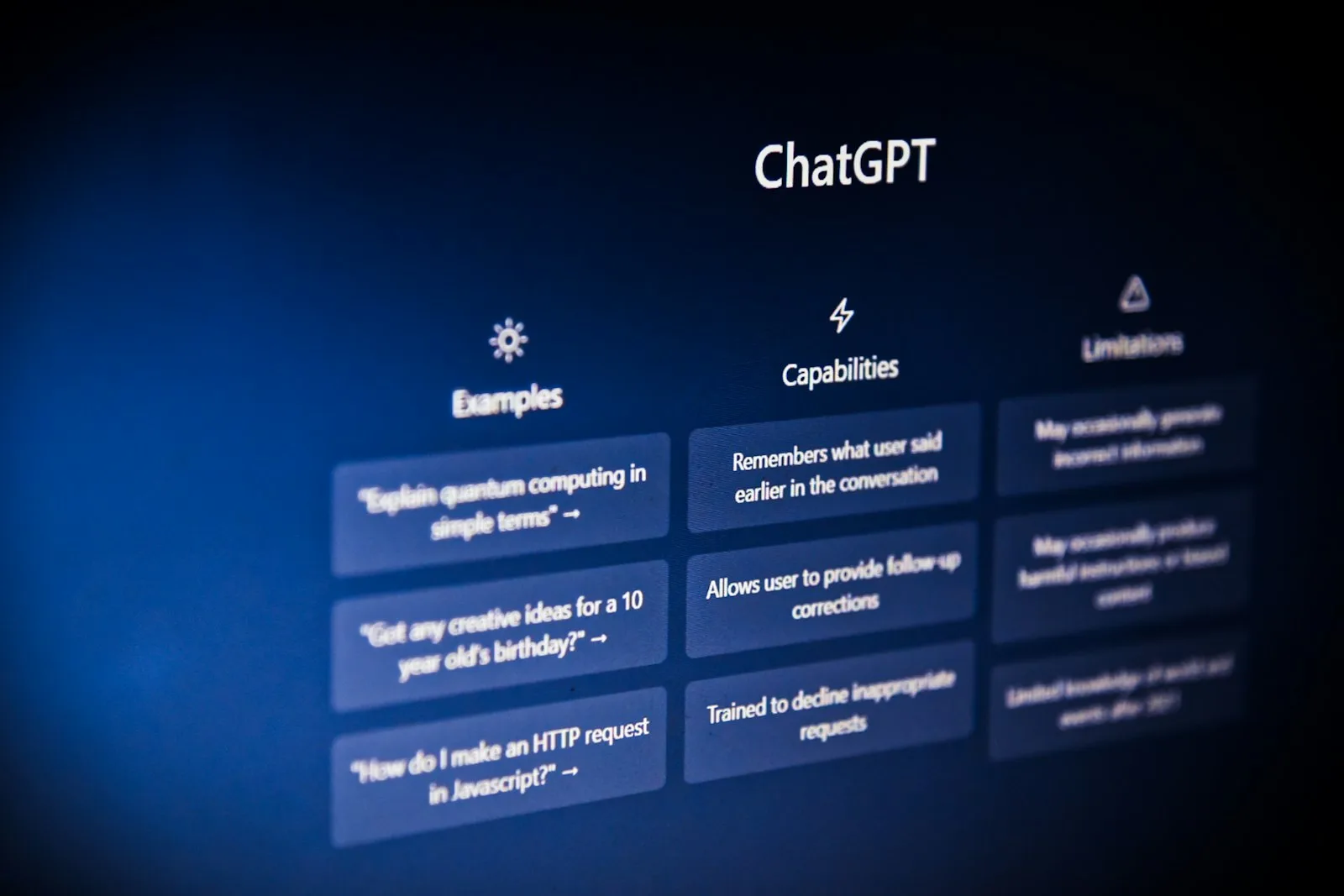
A prospective patient used to open Google, type "Invisalign near me," and scan the results. Increasingly, they open ChatGPT or Perplexity instead and ask something like, "Who are the best Invisalign providers in my area, and what should I know before booking?" And Google's own AI Overviews now answer plenty of searches before a single blue link gets clicked.
For clinic owners, that raises an uncomfortable question: when an AI tool recommends providers to a patient, is your clinic one of the names it mentions? For most practices right now, the honest answer is no, and not because the clinic isn't good. It's because nothing about their online presence gives an AI a reason to mention them.
What's actually changing in how patients search
Two shifts, both real, neither science fiction:
- Patients are starting some searches inside AI tools. Instead of ten links, they get a synthesised answer with a short list of recommendations and reasons. It feels like asking a knowledgeable friend.
- Traditional Google is becoming more AI-mediated. AI Overviews summarise an answer at the top of the page, drawn from sources Google trusts. Even patients who never open ChatGPT are now reading AI-generated summaries.
The behaviour underneath is the same as it's always been: people want a trustworthy recommendation with less effort. The interface changed; the intent didn't. What's new is that a layer of software now sits between the patient and the list of clinics, deciding which names to surface.
What "being cited by AI" really means
Plainly: when an AI tool answers "best med spa near me for microneedling," it isn't inventing names out of thin air. It's drawing on the information it can access, its training data and, for tools that browse the live web like Perplexity, AI Overviews, and ChatGPT's search mode, the pages it can retrieve and read right now. "Being cited" means your clinic shows up in that answer, sometimes as a linked source, sometimes just as a named recommendation.
For that to happen, an AI has to be able to do three things: find clear information about your clinic, understand what you offer and where, and have some reason to treat you as credible relative to the alternatives. If any one of those is missing, you're invisible to it, the same way you'd be invisible to a human who couldn't find a straight answer on your website.
Why most clinic sites have zero chance of being cited
This is where audits get blunt. Most clinic websites give an AI almost nothing to work with:
- Thin, generic content. A homepage, a services page with two sentences per treatment, and a contact form. There's no substance for a model to extract or quote.
- No clear, structured answers. Patients ask specific questions, "how long does Invisalign take," "what's recovery like." Most clinic sites never answer them in plain text, and if the answer isn't on the page, it can't be cited.
- No real expertise or authorship signals. Anonymous, undated content with no named clinician behind it reads as low-trust to both Google and the AI systems that lean on Google's index.
- A weak presence in traditional search. This is the big one. AI tools disproportionately draw from sources already established and trusted in conventional search. If you're not showing up in normal Google results and the Map Pack, you're unlikely to appear in the AI layer that sits on top of them.
The uncomfortable summary: a website built as a thin digital business card was never going to be quoted by anything, human or machine.
What actually helps (and what doesn't)
Skip the "GEO hacks." What helps is mostly the same fundamentals that were always good practice, now with higher stakes:
- Genuinely useful, structured content that answers real patient questions directly and in plain language. If a patient would ask it in a consult, it should be answerable on your site.
- Credible authorship, content attributed to a named, qualified clinician, with clear information about who you are and your experience. These are the same trust signals Google already rewards, and they make your existing expertise legible online.
- A strong foundation in traditional search first. Because AI tools lean on already-indexed, trusted sources, ranking well in normal Google and local search is the most reliable path into AI answers, and there's no shortcut that skips it. Your search foundation does double duty here.
- Consistent, accurate information everywhere. The same clarity about who you are, what you treat, and where, that helps local SEO also helps a machine describe you correctly.
What doesn't help: keyword-stuffing for robots, spinning up thin AI-written pages to "feed the AI," or chasing every new acronym. Models are trained to discount exactly that kind of content.
One honest caveat: this is early, and nobody can promise you a spot in an AI answer, anyone who does is guessing. What's fair to say is that the clinics building clear, credible, well-structured content now are the best positioned as this settles, and it costs nothing extra to build a site that way from the start rather than retrofitting it later.